When it comes to setting up a successful shoe business, finding a good quality shoe kiosk is of paramount importance. A well-chosen shoe kiosk can enhance the shopping experience for customers, showcase your products effectively, and contribute to the overall success of your venture. But how exactly do you go about finding one that meets your expectations?
Defining Your Requirements
The first step in the search for a good quality shoe kiosk is to clearly define your needs and requirements. Consider factors such as the size of the kiosk, the number of shoe styles you plan to display, and the available space in your intended location. For instance, if you have a limited space in a busy shopping mall, a compact but functional kiosk design might be ideal. On the other hand, if you have a wide range of shoes and accessories to showcase, a larger kiosk with multiple display areas could be necessary.
Research Different Kiosk Designs
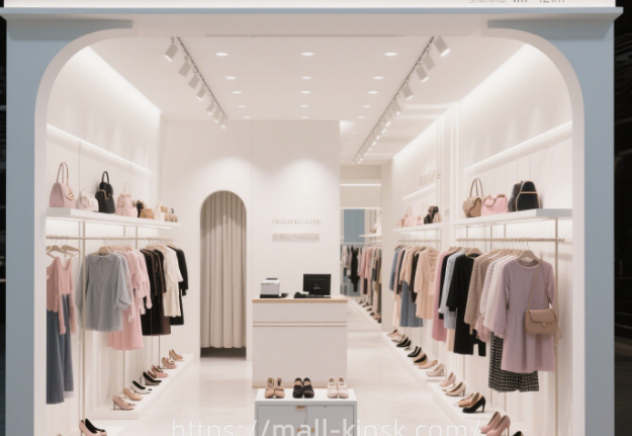
Browse through various design options available in the market. Online platforms, industry magazines, and visiting existing shoe stores or kiosks can provide inspiration. Pay attention to the layout, storage solutions, and visual appeal of the kiosks you come across. A modern and aesthetically pleasing design can attract more customers. For example, a kiosk with open shelves and well-lit display cases can make the shoes stand out and be more inviting.

Look for Durable Materials
The quality of the materials used in the construction of the kiosk is crucial. Opt for kiosks made from sturdy metals like stainless steel or aluminium, which are resistant to wear and tear. High-quality wood or laminated surfaces can also add to the durability and appearance. Check for the strength of the joints, the finish of the materials, and whether they are easy to clean and maintain. Imagine a kiosk made of flimsy materials that starts to show signs of damage shortly after installation, affecting both the look and functionality.
Evaluate the Display Options
A good shoe kiosk should have effective display options to showcase your products in the best possible way. Consider features such as adjustable shelves, angled displays, and shoe holders that accommodate different shoe sizes and styles. Lighting is also essential; well-placed LED lights can highlight the shoes and create an inviting atmosphere. For instance, a kiosk with spotlights focused on featured shoes can draw customers’ attention.
Storage and Organization
Adequate storage space within the kiosk is necessary to keep your inventory organized and easily accessible. Look for hidden compartments, drawers, or backroom storage areas. This ensures that you can keep extra stock neatly stored without cluttering the display area. Say you have a large inventory of shoes, having proper storage helps you keep the kiosk looking tidy and professional.
Functionality and Accessibility

The kiosk should be designed for easy customer access and smooth operation. Ensure there is enough space for customers to move around comfortably and browse the products. Check if the cash counter is conveniently located and if there is enough room for packaging and transactions. A kiosk that hinders the customer’s movement or makes the purchasing process cumbersome can lead to lost sales.
Read Customer Reviews and Testimonials
Look for reviews and testimonials from other businesses that have purchased and used similar shoe kiosks. This can give you an idea of the real-world performance and durability of the kiosks. Positive feedback regarding the quality, functionality, and customer service of the manufacturer or supplier is a good indicator. For example, if multiple customers mention that a particular kiosk has held up well over time and has provided excellent value for money, it’s likely a reliable option.
Contact Multiple Suppliers
Reach out to several suppliers or manufacturers of shoe kiosks. Request detailed information about their products, including specifications, pricing, and delivery times. Ask for references or case studies of their previous work. This allows you to compare and contrast different options and make an informed decision. Imagine getting detailed proposals from multiple suppliers and being able to analyze the pros and cons of each.
Visit Showrooms or Factories
If feasible, visit the showroom or factory of the potential suppliers. This gives you a first-hand look at the manufacturing process, the quality control measures in place, and the range of kiosks they can offer. You can also assess the professionalism and expertise of the team. For instance, seeing the production line and the quality checks being conducted can give you confidence in the final product.
Negotiate Terms and Conditions
Once you have shortlisted a few options, negotiate the terms and conditions such as price, warranty, after-sales service, and customization options. A good supplier will be willing to work with you to meet your specific needs and offer reasonable terms.
Check for Customization Options
If you have specific branding or design requirements, look for a kiosk that can be customized to your specifications. This helps your kiosk stand out and align with your brand image.
In conclusion, finding a good quality shoe kiosk requires careful research, assessment of your needs, and consideration of various factors related to design, materials, functionality, and supplier reputation. By taking the time and effort to make the right choice, you can set the stage for a successful shoe business.