Pick Durable Materials
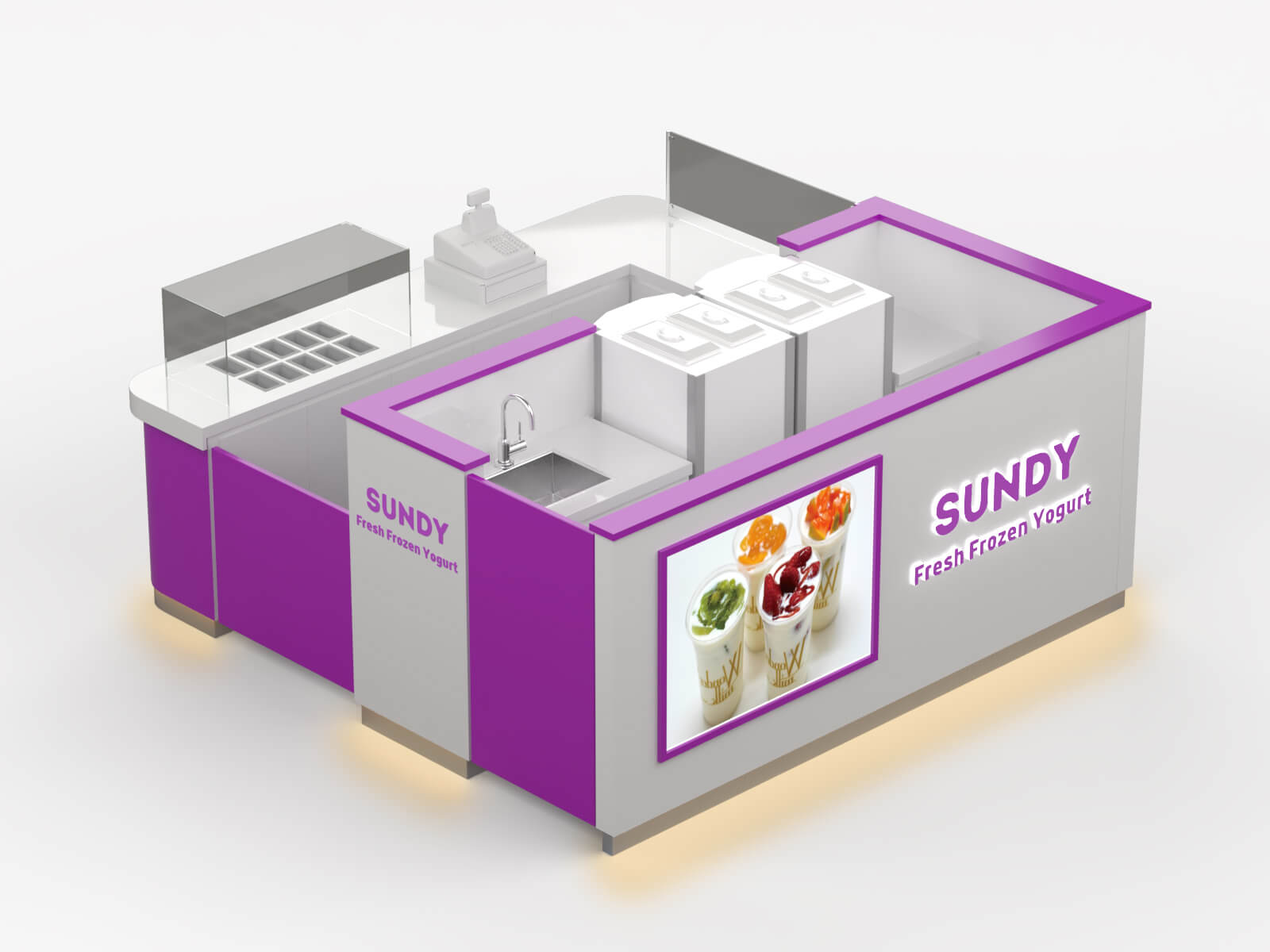
What materials boost mall kiosk longevity and save you money long-term?Opt for weather-resistant metals like aluminum or stainless steel if your kiosk will be outdoors. These materials resist rust, so you won’t need frequent replacements. A mall entrance kiosk exposed to occasional rain stays intact for years with aluminum framing.Additionally, choose easy-clean plastics such as polycarbonate for high-traffic areas. Spills or dirt wipe off quickly with a damp cloth, saving you maintenance time. A snack kiosk using polycarbonate stays tidy even during lunch rushes.
Besides, Select sturdy wood composites like MDF with a laminate finish for a warm look. Wood composites avoid warping, making them perfect for boutique jewelry or accessory kiosks. They also hold paint well for a custom vibe.Furthermore, prioritize scratch-proof surfaces like tempered glass for counters. Customers lean on counters, so these materials keep your kiosk looking new. A phone accessory kiosk with tempered glass won’t show wear after months of use.
Select Targeted Styles
Which style aligns with your target audience and makes your mall kiosk stand out?Go for sleek modern designs with clean lines to attract millennials and Gen Z. Think matte black frames and minimal branding—ideal for tech or skincare kiosks. Young shoppers link modern styles to quality.Additionally, choose classic vintage styles with distressed wood for niche markets like artisanal candles. What’s more, a vintage kiosk feels nostalgic, appealing to buyers seeking unique items. It also stands out among modern mall stalls.
Opt for compact minimalist styles with foldable shelves if space is limited. This works for pop-up events or temporary spots. Minimalist designs avoid clutter, helping customers focus on products. Furthermore, pick bold, colorful styles to stand out in crowded malls. Bright reds or yellows catch eyes from afar. A candy or toy kiosk with a yellow frame easily attracts families.

Design Functional Layouts
How to lay out your kiosk for maximum customer engagement and smooth transactions? Place high-demand products at eye level (4–6 feet) to boost visibility. For sunglasses, put bestsellers at eye level and less popular styles higher or lower. Customers buy what they see first. Additionally, leave wide aisles (at least 3 feet) for smooth movement. Narrow aisles feel cramped, making customers leave early. A clothing kiosk needs space for shoppers to view outfits.
Add built-in storage to reduce clutter. Clutter looks unprofessional and drives customers away. A beauty kiosk with hidden storage keeps extra stock accessible but out of sight. Furthermore, include a small checkout zone near the entrance or exit. Keep it compact—just enough for a card reader and cash drawer. A snack kiosk with a front checkout lets customers grab and go fast.
Add Key Features
What features enhance kiosk usability for both you and your customers? Install bright LED lighting to highlight products. LEDs are energy efficient and make items look appealing. A jewelry kiosk with LED-lit cases makes necklaces sparkle, drawing attention. Additionally, integrate secure locks on storage cabinets. Theft is a risk in busy areas, so locks offer peace of mind. A phone case kiosk with locked cabinets prevents stolen inventory. Add adjustable shelves to fit different product sizes. This flexibility lets you switch products seasonally without new shelves. A scarf kiosk can lower shelves in winter and raise them in spring. Furthermore, include USB charging ports for customer convenience. Many shoppers need to charge phones, so ports keep them browsing longer. A bookstore kiosk with USB ports boosts purchase chances.
Pick High-Traffic Spots
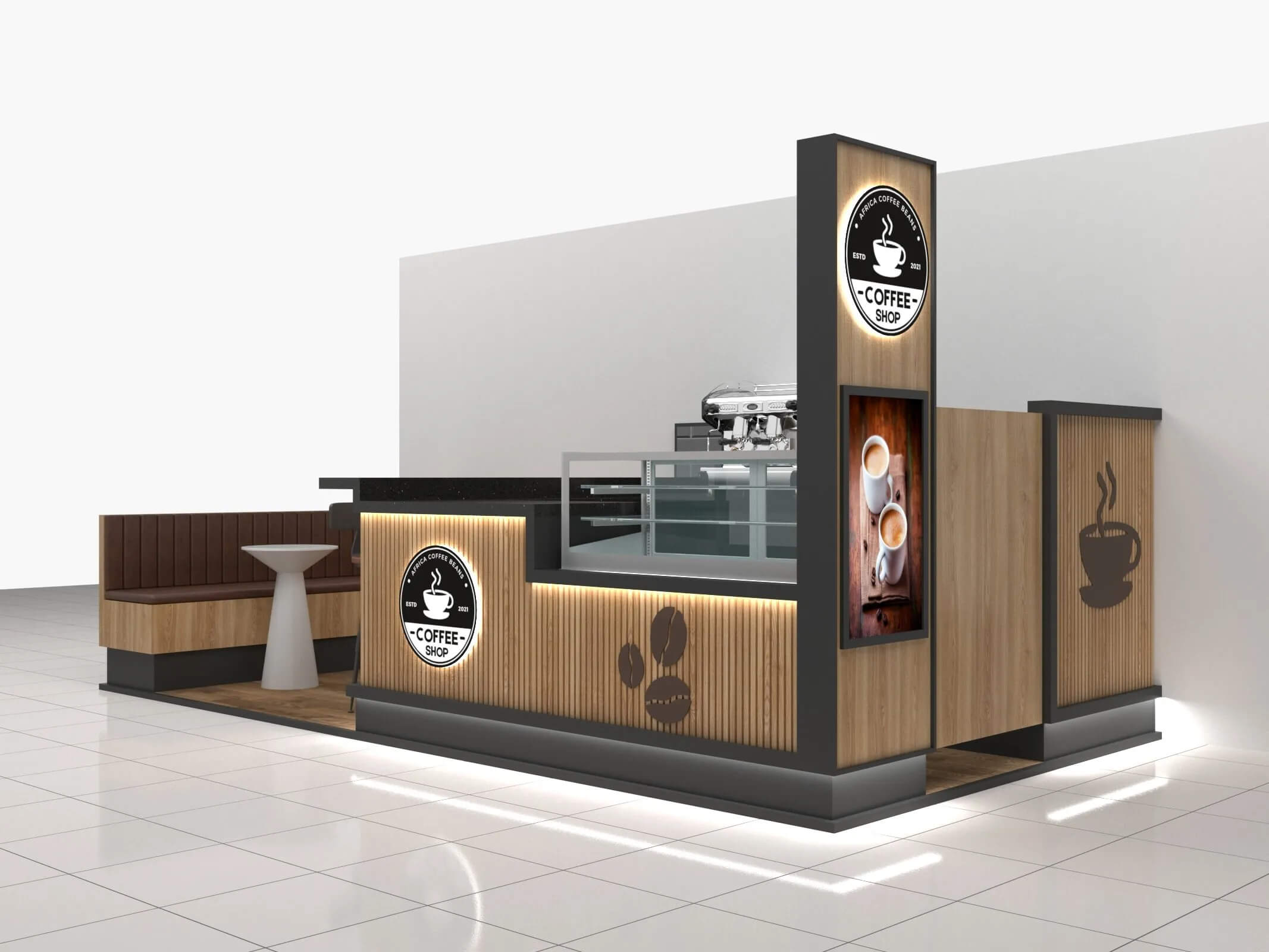
How to choose the right location for your kiosk to drive foot traffic? Look for spots near mall entrances, food courts, or popular stores. These areas get the most foot traffic. A coffee kiosk near a busy clothing store attracts shoppers needing a break.Additionally, avoid spots with blocked visibility, like behind pillars. If customers can’t see your kiosk, they won’t stop. A toy kiosk next to a tall department store may go unnoticed.
Consider temporary vs. permanent locations based on budget. Temporary spots (holiday pop-ups) are cheaper for testing, while permanent spots offer stability. A holiday gift kiosk works near a mall’s Santa display.Furthermore, check mall rules for placement. Some malls restrict size or product types. Compliance avoids fines or forced moves.
Promote Your Kiosk
How to market your kiosk to attract your first customers? Use eye-catching signage with your brand and key products. Make it readable from 10 feet away. A smoothie kiosk with a “Fresh Smoothies—$5” sign draws thirsty shoppers. Additionally, offer free product samples to passersby. Samples reduce purchase hesitation. A skincare kiosk giving free moisturizer samples turns samplers into buyers. Use social media to share your kiosk’s location and deals. Post product photos or short videos. A handmade jewelry kiosk’s Reel with a “20% off” deal brings in followers. Furthermore, partner with nearby stores for cross-promotion. A phone accessory kiosk can offer discounts to customers with receipts from a nearby phone store. This helps both businesses.